Basement development cost depends heavily on layout, bathroom work, custom features and how finished you want the lower level to feel. This 2026 guide is meant to help homeowners in Regina understand the biggest variables before they start comparing quotes.
Send project details and we can tell you what usually drives the number up or down.
What a basement budget usually includes
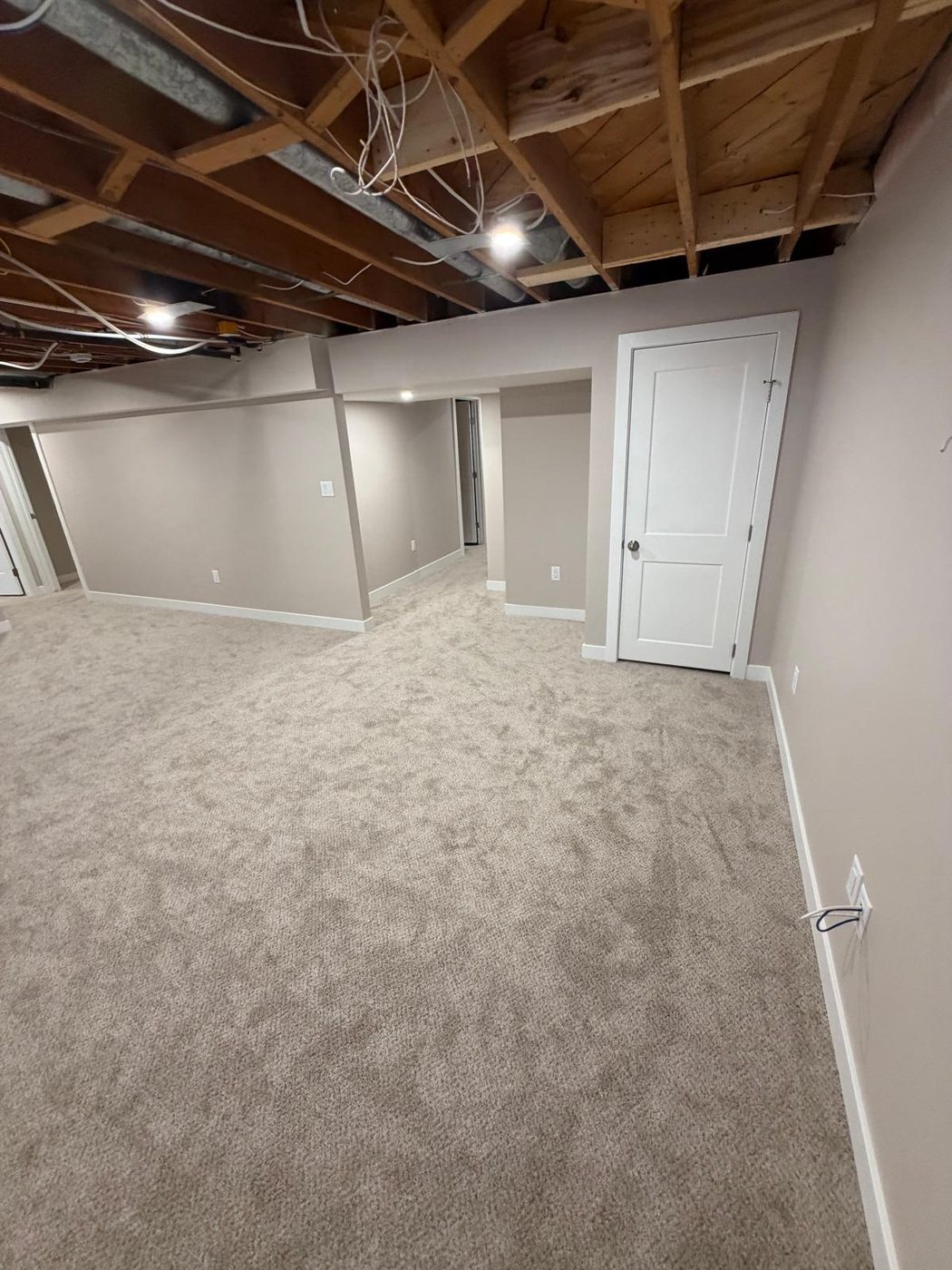
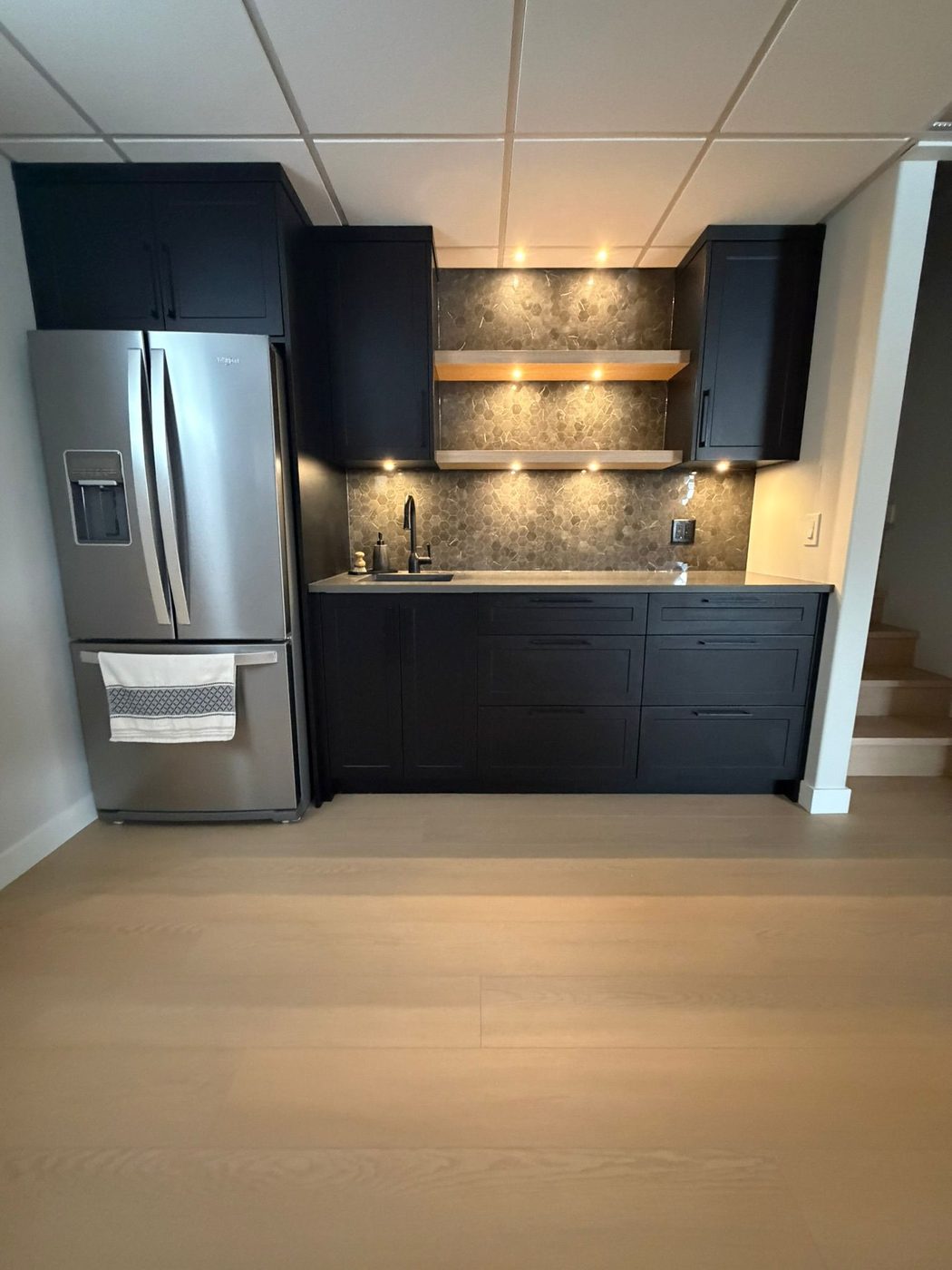
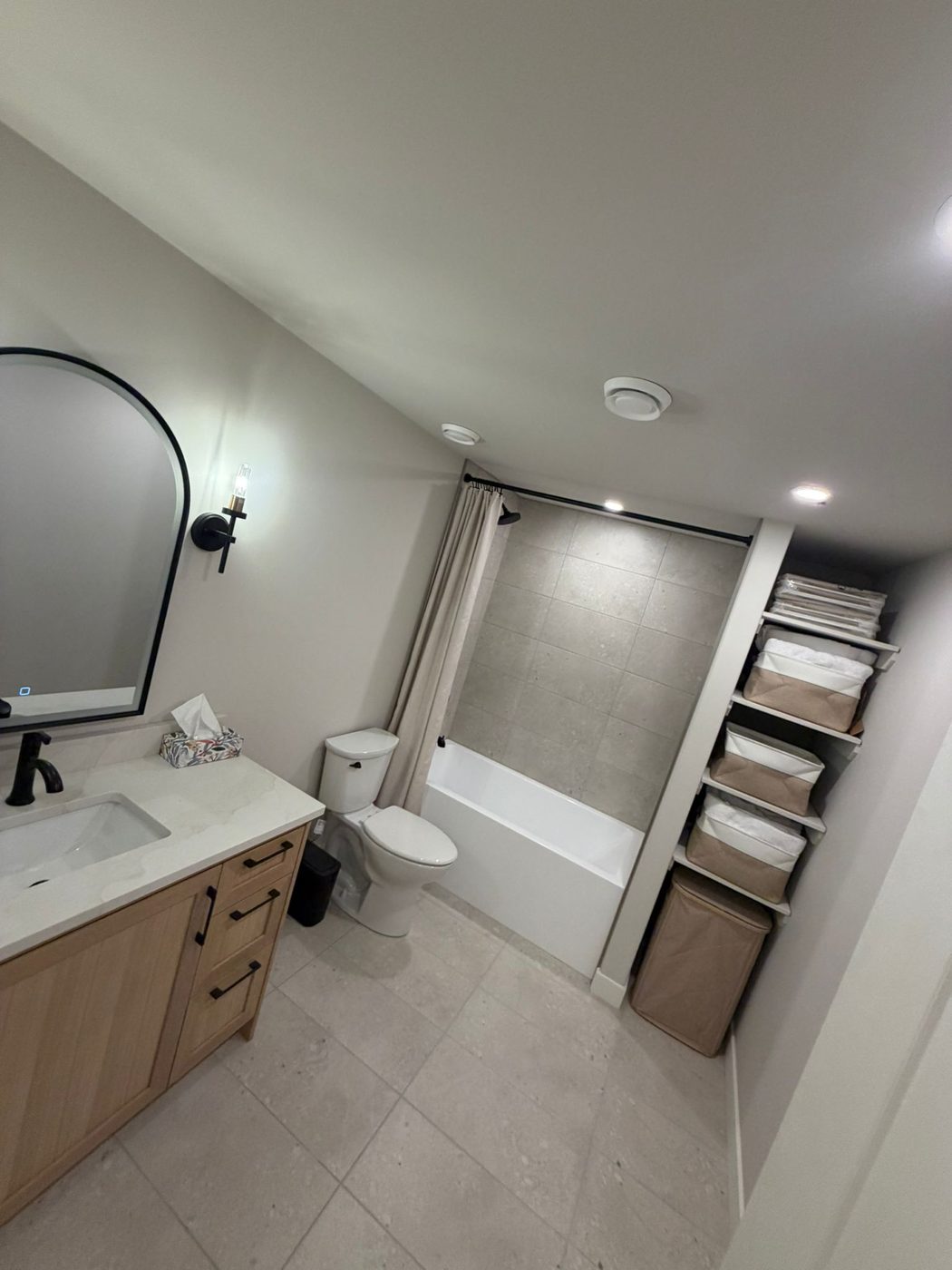
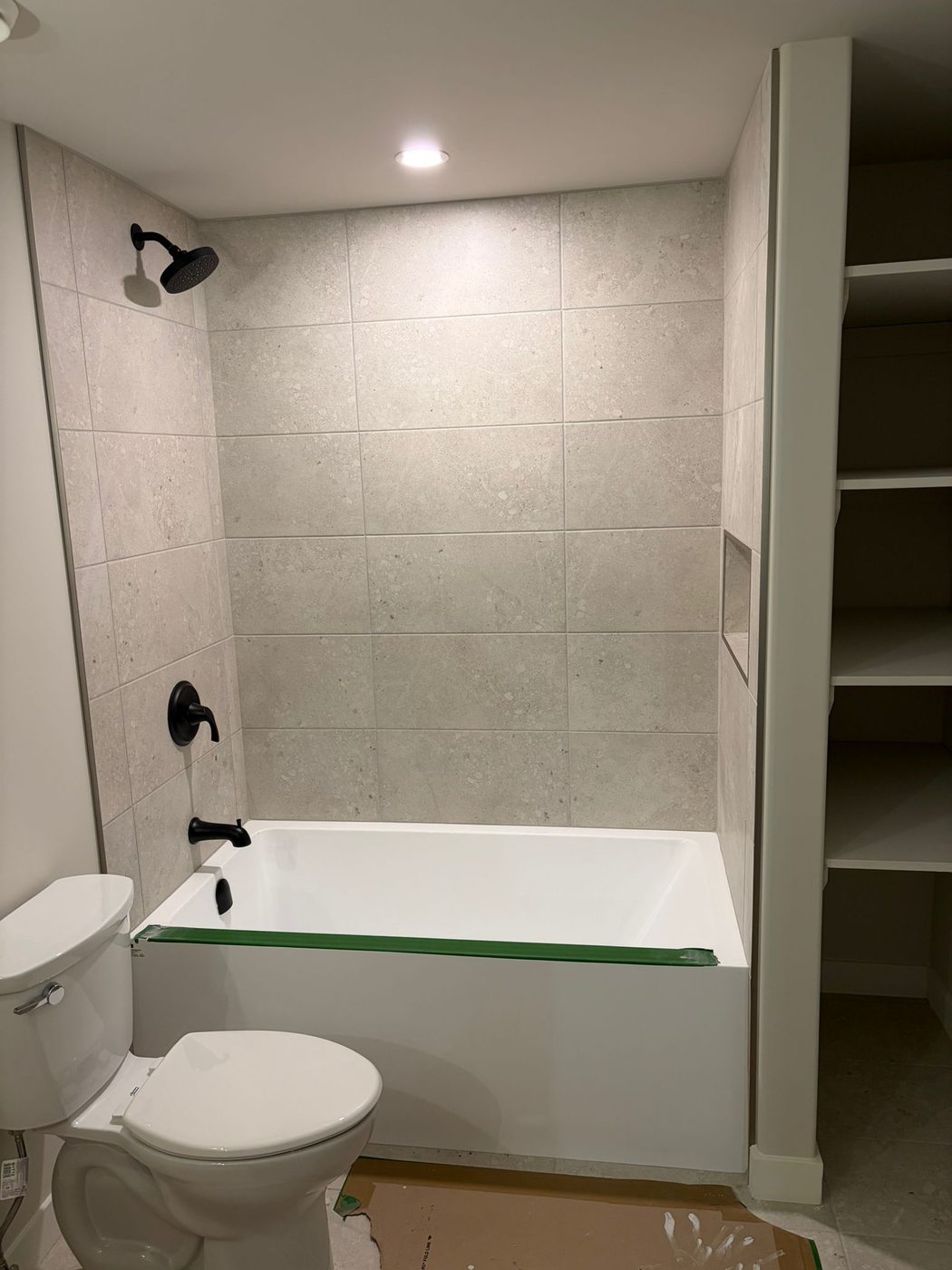
Most full basement developments include framing, insulation, drywall, ceilings, doors, trim, paint, flooring and electrical planning. Bathrooms, wet bars, tile, built-ins and feature walls usually push the budget higher.
The wider the project scope, the more important it is to have a clear written plan so the lower level feels like part of the house instead of a collection of unrelated rooms.
What pushes pricing up fast
Bathrooms, bars, custom millwork, feature walls and layout changes are some of the biggest add-ons. Mechanical constraints, bulkheads and awkward existing conditions can also add labour.
A basement with one open family room prices very differently than one with a bathroom, bedroom, bar and custom detail work.
How older homes and newer homes differ
Newer basements may be more open and easier to lay out, but they can still have complexity around bulkheads, utility rooms and feature upgrades. Older homes may need more problem-solving around existing framing, ceiling heights or previous work.
That is why site-specific quoting matters. Two basements with the same square footage can price very differently.
How to think about ROI and usability
The biggest value often comes from creating real daily-use space. A good basement adds room for family, guests, work, entertainment and storage. The payoff is not just resale. It is making the home work better now.
When the layout and finish are handled well, the basement stops feeling like bonus space and starts feeling like part of the main home.
Project photos